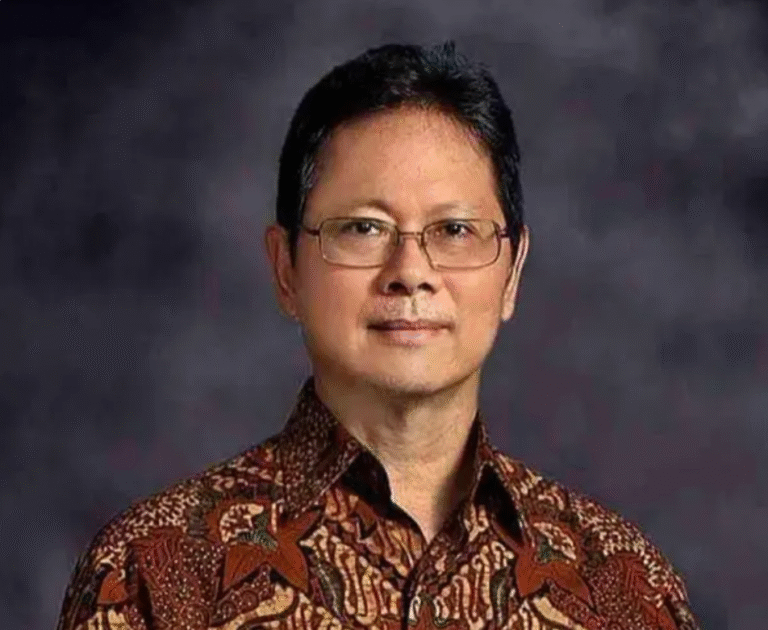

Teguh Anantawikrama, Vice Chairman of the Indonesian Chamber of Commerce and Industry (KADIN). Photo courtesy of Teguh Anantawikrama.
By Teguh Anantawikrama
Vice Chairman of the Indonesian Chamber of Commerce and Industry
(KADIN Indonesia)
UKMDANBURSA.COM – Indonesia’s future depends on a generation capable of making informed decisions about investment, technology, natural resources and the country’s place in the world. Making those decisions requires more than technical skills. Young Indonesians also need economic literacy, historical awareness and the confidence to question powerful narratives.
Two books offer compelling starting points: John Perkins’s Confessions of an Economic Hit Man and Vincent Bevins’s The Jakarta Method. Through their distinct perspectives on global power, economic influence and contested history, both invite readers to examine the forces that have shaped Indonesia and consider how these forces may influence its future.
Read more:
Two Years in Government: The State Must Serve Its People
Looking Beyond Official Promises
The books cover different subjects, but both ask readers to look beyond official promises and examine how power operates. Perkins writes about development loans, major projects and the influence they can exert over a country’s choices.
His account is a personal memoir, and some of its claims are disputed. It should be read critically and compared with other sources. Yet it raises questions that matter to every developing nation: Who benefits from a project? Who bears its risks and costs? Does borrowing expand a country’s options, or narrow them?
Read more:
Women leadership Tourism industry
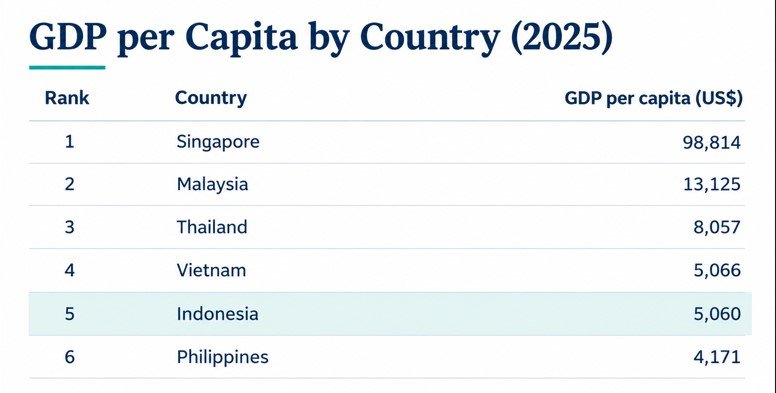
These questions are relevant to Indonesia as we pursue growth, build infrastructure and attract investment. The answer is not to reject foreign capital or international cooperation. Indonesia needs both.
The task is to negotiate from strength, assess projects on their long-term contribution to the public, and ensure that financing serves national priorities. Reading Perkins can encourage young people to examine the terms behind economic opportunity, rather than judging a project by its scale or headline promise alone. Publisher’s description
Critical Reading
Bevins’s The Jakarta Method turns to a painful chapter in Indonesia’s past. It examines the mass killings and imprisonment that followed the political crisis of 1965, placing those events within the wider context of Cold War rivalries and foreign intervention.
Bevins advances a broad argument about the international significance of Indonesia’s experience. Readers should engage with that argument alongside Indonesian historians, archival records and the testimonies of survivors. No single book can provide the whole account of such a complex history. Publisher’s description
The book matters because history is not only a record of what happened. It shapes how a society understands its institutions, its political choices and the people whose experiences have been excluded from public memory. Reading The Jakarta Method can prompt young Indonesians to ask how global conflicts influence domestic affairs, how political narratives are formed, and what responsibility we have to examine difficult parts of our past. LSE review
These books should not be treated as final authorities, nor as invitations to accept every claim they make. Their value is that they open questions worth pursuing. Young readers should compare their arguments with other credible works, distinguish evidence from interpretation, and remain willing to revise their views. Critical reading means neither accepting every accusation nor dismissing uncomfortable accounts without examination.
A confident nation is not afraid to study its history or scrutinise the choices it makes in the present. Indonesia can welcome investment while defending its freedom to set its own priorities. It can build partnerships while understanding the interests behind them. And it can strengthen national unity while making room for honest historical inquiry.
I encourage Indonesian young people to read these books, discuss them and read beyond them. The future belongs to those who can see opportunity clearly, recognise power at work and make decisions grounded in both evidence and a sense of national purpose. ***